NeeDoh for Autism: How Sensory Toys Help with Self-Regulation
Dr. Rachel Kim
Author
Understanding Sensory Needs in Autism
Autistic individuals often experience differences in sensory processing. Some are hypersensitive to certain stimuli, while others are hyposensitive and seek out additional sensory input. Many autistic people fall somewhere in between, with varying sensory needs across different modalities.
Tactile sensory seeking is one of the most common patterns. This can manifest as a desire to touch, squeeze, rub, or manipulate objects with specific textures. When these needs are met through appropriate channels, the result is often improved focus, reduced anxiety, and better emotional regulation. When these needs go unmet, the result can be increased stress, meltdowns, or self-injurious behaviors.
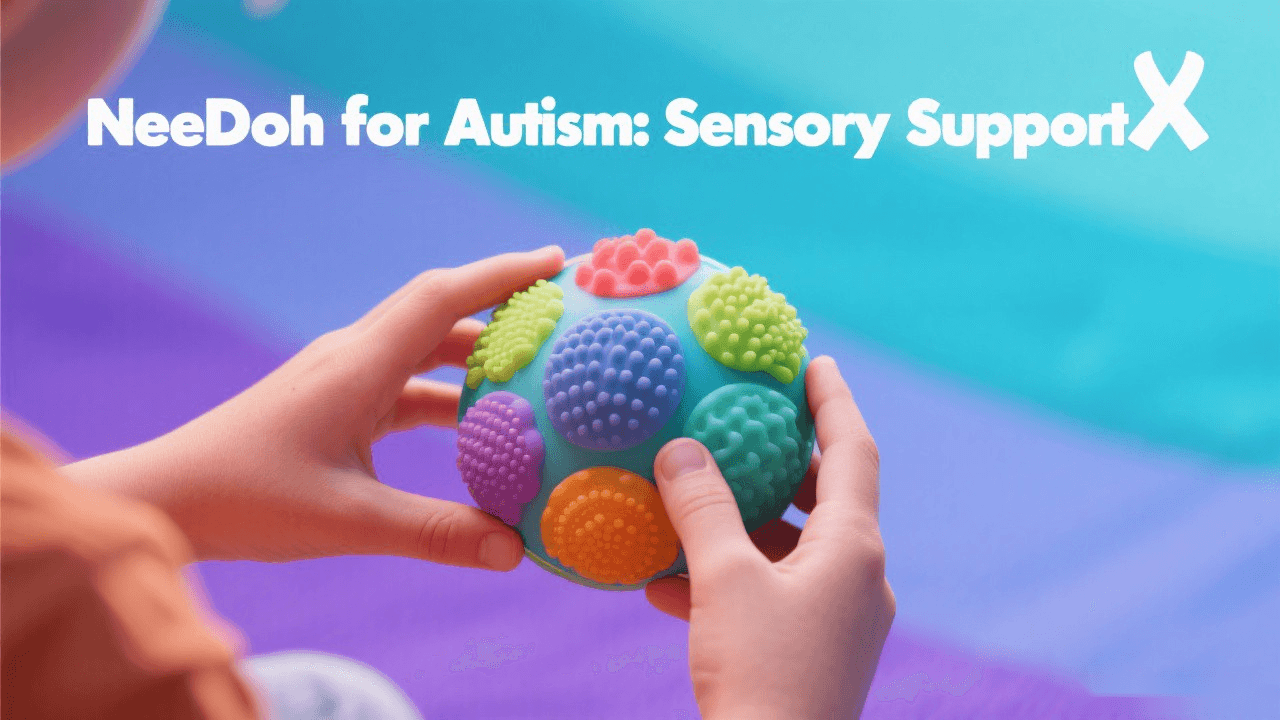
NeeDoh products address tactile sensory needs directly. The squishy, yielding texture provides consistent, predictable sensory feedback that many autistic individuals find regulating and calming.
How NeeDoh Supports Self-Regulation
Self-regulation is the ability to manage one's emotional state and behavior in response to environmental demands. For autistic individuals, self-regulation can be challenging, especially in overstimulating environments like classrooms, shopping centers, or social gatherings.
NeeDoh supports self-regulation through several mechanisms:
Proprioceptive Input Squeezing a NeeDoh provides proprioceptive feedback, which is information about body position and movement processed through muscles and joints. This type of input is deeply organizing for the nervous system. Occupational therapists frequently use proprioceptive activities as part of sensory integration therapy.
Repetitive Motion The repetitive motion of squeezing and releasing NeeDoh can be regulating in the same way that other repetitive movements (rocking, pacing, hand-flapping) serve a regulatory function for many autistic people. The key difference is that squeezing a NeeDoh is socially discreet and can be done in settings where other stimming behaviors might draw unwanted attention.
Predictable Sensory Feedback NeeDoh provides consistent, predictable sensory feedback. Every squeeze produces a similar sensation, and the toy always returns to its original shape. This predictability is important for autistic individuals who may find variable or unpredictable sensory input distressing.
Tactile Grounding Holding and squeezing a NeeDoh can serve as a tactile anchor, helping an autistic person stay grounded in the present moment during periods of anxiety or sensory overload. The physical sensation in their hands provides a reference point that can help redirect attention from overwhelming stimuli.
NeeDoh and Stimming
Stimming (self-stimulatory behavior) is a natural and important regulatory mechanism for many autistic people. Common stims include hand-flapping, finger rubbing, rocking, and object manipulation. These behaviors serve genuine regulatory functions and should not be suppressed unless they are harmful.
NeeDoh can serve as a stim tool in several ways:
- Replacing potentially harmful stims (like skin picking or hair pulling) with a safe alternative
- Providing a socially acceptable outlet for stimming in public settings
- Offering varied tactile experiences through different NeeDoh products
- Giving hands something to do during situations that require stillness (classroom, car rides, appointments)
It is important to note that NeeDoh should supplement, not replace, existing stimming behaviors. If an autistic person has stims that work well for them, there is no need to redirect those stims to NeeDoh. The goal is to expand the toolkit, not to limit natural self-regulation.
Choosing the Right NeeDoh Product
Different NeeDoh products offer different sensory experiences. Here is a guide to selecting the right product based on specific sensory needs:
For Deep Pressure Seekers Nice Cube or Nice Berg. The firm resistance provides substantial proprioceptive input that satisfies the need for deep pressure.
For Light Touch Seekers Gummy Bear or Gumdrop. The softer texture provides gentle tactile feedback without the resistance that some light-touch seekers find uncomfortable.
For Visual Stimmers Dream Drop. The glitter filling that swirls during squeezing adds a visual component that enhances the sensory experience for those who respond to visual input.
For Fidgeters Nice Cube or Groovy Glob. The compact size and firm texture make these easy to manipulate with one hand during activities that require the other hand.
For Oral Sensory Seekers NeeDoh is not designed for mouthing. If oral sensory seeking is a primary need, consider dedicated chewable jewelry or tools designed specifically for this purpose.
Practical Tips for Parents and Therapists
Introduce NeeDoh Gradually Do not force NeeDoh on an autistic child. Offer it as an option and let them explore it at their own pace. Some children will immediately gravitate toward it, while others may need time to warm up to the texture.
Keep NeeDoh Accessible Place NeeDoh in locations where the autistic person is likely to need it: the classroom desk, the car, the nightstand, the therapy room. Accessibility is key because the need for regulation often arises unexpectedly.
Respect Individual Preferences Not every autistic person will like NeeDoh. Sensory preferences are highly individual, and what works for one person may not work for another. If NeeDoh is not a good fit, try other sensory tools like weighted blankets, fidget cubes, or textured chewables.
Supervise Young Children While NeeDoh is non-toxic, it is not designed to be ingested. Children who mouth objects should be supervised when using NeeDoh, or a safer alternative should be used.
Use as Part of a Sensory Diet A sensory diet is a personalized plan of sensory activities designed to meet an individual's sensory needs throughout the day. NeeDoh can be incorporated as one tool within a broader sensory diet that includes movement breaks, deep pressure activities, and other sensory strategies.
What the Research Says
While there is no peer-reviewed research specifically on NeeDoh and autism, there is a substantial body of research on sensory-based interventions for autistic individuals:
- A 2023 meta-analysis published in the Journal of Autism and Developmental Disorders found that sensory-based interventions showed moderate positive effects on self-regulation and attention in autistic children.
- Occupational therapy literature consistently supports the use of tactile and proprioceptive input as part of sensory integration therapy.
- Research on fidget tools in classroom settings has shown improvements in attention and on-task behavior for students with attention difficulties.
NeeDoh fits within this evidence framework as a tool that provides tactile and proprioceptive input in a portable, accessible format.
The Bottom Line
NeeDoh is not a cure or a therapy, but it can be a valuable tool in the sensory toolkit of autistic individuals. Its consistent, predictable tactile feedback supports self-regulation, provides a safe outlet for stimming, and can help manage anxiety and sensory overload in challenging environments.
As with any sensory tool, individual results will vary. The best approach is to try NeeDoh as one option among many and observe how the individual responds. If it works, it is a low-cost, portable, and socially discreet tool that can make a meaningful difference in daily life.
Frequently Asked Questions
Is NeeDoh good for autistic children?
Many parents and therapists report that NeeDoh can be helpful for autistic children who seek tactile sensory input. The repetitive squeezing motion can support self-regulation and provide a safe outlet for stimming behaviors.
Which NeeDoh is best for autism?
The Nice Cube is often recommended for its firm, consistent resistance. The Dream Drop is a good option for those who respond to visual stimulation. The Gummy Bear is best for children who prefer softer textures.
Can NeeDoh replace professional therapy?
No. NeeDoh is a sensory tool, not a therapy replacement. It can complement professional interventions but should not be used as a substitute for evidence-based treatments.
Is NeeDoh safe for children who mouth objects?
NeeDoh is non-toxic but is not designed to be mouthed or chewed. For children who tend to put objects in their mouth, close supervision is required, or a chewable alternative may be more appropriate.