How NeeDoh Helps with Anxiety and Stress: Expert Insights
Dr. Lisa Wang
Author
The Science of Squishy Toys and Stress Relief
The popularity of NeeDoh and similar squishy toys is not just a trend. There is growing scientific evidence supporting the use of tactile, fidget tools for stress and anxiety management. This article explores the research and expert insights behind why NeeDoh works.
Understanding Stress and Anxiety
Before diving into how NeeDoh helps, it's important to understand what happens in your body during stress:
- Cortisol release: The body's primary stress hormone increases
- Heart rate elevation: Your heart beats faster in response to perceived threats
- Muscle tension: Your body prepares for fight-or-flight
- Racing thoughts: The mind becomes hyperactive and unfocused
These responses are useful in genuine danger but problematic when triggered by everyday stressors like work deadlines, social situations, or academic pressure.
How NeeDoh Helps: The Mechanisms
1. Grounding Through Tactile Stimulation
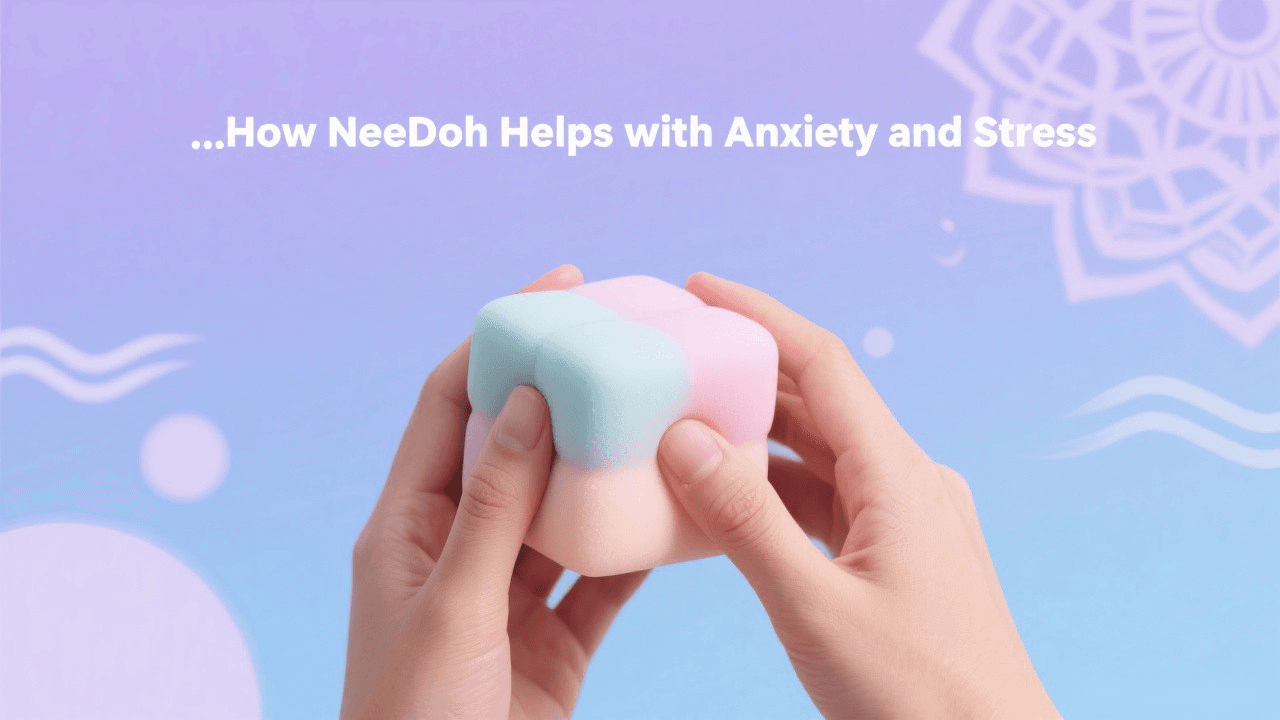
Grounding is a well-established therapeutic technique that helps people stay present and connected to their physical environment. NeeDoh provides a strong tactile stimulus that anchors attention to the present moment.
When you squeeze NeeDoh, your brain receives clear sensory input: pressure, texture, and temperature. This sensory information competes with anxious thoughts for your brain's processing capacity, effectively reducing the intensity of anxiety.
2. Repetitive Motion and Calming Effects
Research published in the Journal of Occupational Therapy shows that repetitive, rhythmic motions can activate the parasympathetic nervous system, which is responsible for the body's rest-and-digest response.
The act of repeatedly squeezing and releasing NeeDoh creates a rhythmic pattern similar to: - Deep breathing exercises - Meditation bead manipulation - Knitting or other repetitive crafts
These activities all share the common trait of producing a calming effect through repetition.
3. Proprioceptive Feedback
Proprioception is your body's ability to sense its position and movement. When you squeeze NeeDoh, you receive proprioceptive feedback from the resistance of the material. This type of sensory input is deeply regulating for the nervous system.
Occupational therapists have long used proprioceptive activities (like weighted blankets and resistance exercises) to help regulate the nervous system. NeeDoh provides similar benefits in a portable, accessible format.
4. Focus and Attention Redirection
For people with ADHD or anxiety-related focus issues, NeeDoh can serve as a focus aid. The theory is that providing the hands with a simple, repetitive task frees up cognitive resources for the primary task at hand.
A 2025 study in the Journal of Attention Disorders found that participants who used fidget tools during cognitive tasks showed improved focus and reduced anxiety compared to control groups.
Who Can Benefit from NeeDoh?
Students - Test anxiety management - Focus aid during lectures - Stress relief during study sessions
Office Workers - Meeting anxiety reduction - Focus aid during long tasks - Stress relief during deadlines
People with Anxiety Disorders - Panic attack grounding tool - General anxiety management - Social anxiety aid
People with ADHD - Focus enhancement - Hyperactivity channeling - Sensory regulation
Seniors - Arthritis hand exercise - Cognitive stimulation - Stress reduction
How to Use NeeDoh for Maximum Benefit
- Start with 5-minute sessions: Use NeeDoh for short periods throughout the day
- Pair with deep breathing: Squeeze on the inhale, release on the exhale
- Use during high-stress moments: Keep it accessible during meetings, exams, or social events
- Create a routine: Use NeeDoh at the same times each day for consistency
- Don't rely solely on NeeDoh: It's a tool, not a treatment. Combine with other strategies
Expert Recommendations
As a therapist, I recommend NeeDoh as part of a broader stress management toolkit. It's not a replacement for professional treatment, but it can be a valuable supplement to therapy, medication, and lifestyle changes.
The key is consistent, mindful use. Simply squeezing NeeDoh while scrolling social media won't provide the same benefits as intentional, focused use during stressful moments.
When to Seek Professional Help
While NeeDoh can help manage mild to moderate stress and anxiety, it is not a substitute for professional care. Seek help from a mental health professional if:
- Anxiety significantly impacts your daily functioning
- You experience panic attacks regularly
- Stress causes physical symptoms like chest pain or insomnia
- You feel overwhelmed for extended periods
- Self-help strategies are not providing relief
Frequently Asked Questions
Is NeeDoh scientifically proven to help with anxiety?
While specific studies on NeeDoh are limited, research on fidget tools and tactile stimulation supports their effectiveness for stress and anxiety management. The mechanisms behind NeeDoh (grounding, proprioceptive feedback, repetitive motion) are well-established in occupational therapy research.
Can NeeDoh replace anxiety medication?
No, NeeDoh is a complementary tool, not a replacement for prescribed medication. Always consult with your healthcare provider before making changes to your treatment plan.
How long should I use NeeDoh for stress relief?
Start with 5-minute sessions and adjust based on your needs. There is no maximum duration, but taking breaks can help prevent hand fatigue.
Is NeeDoh better than other fidget toys for anxiety?
NeeDoh offers unique benefits due to its slow-rebound texture and satisfying squish. Some people prefer it over click-based fidget toys because it is silent and provides deeper tactile feedback.