NeeDoh for ADHD: How Squishy Toys Help with Focus and Regulation
Dr. Lisa Wang
Author
NeeDoh and ADHD: Understanding the Connection
Attention Deficit Hyperactivity Disorder (ADHD) affects millions of children and adults worldwide. One of the core challenges of ADHD is maintaining focus and regulating attention. Increasingly, occupational therapists and psychologists are recommending fidget tools like NeeDoh as supplementary aids for ADHD management.
This article explores the research behind fidget tools for ADHD, how NeeDoh specifically helps, and practical strategies for incorporating it into daily life.
The Science of Fidgeting and ADHD
Why People with ADHD Fidget
Fidgeting is not a symptom to be eliminated. For many people with ADHD, fidgeting is actually a self-regulation strategy. Research published in the Journal of Abnormal Child Psychology found that children with ADHD who were allowed to move during cognitive tasks performed better than those who were asked to sit still.
The theory is straightforward: people with ADHD have underaroused brains. The constant need for stimulation is not a behavioral problem but a neurological one. Fidgeting provides just enough additional sensory input to bring the brain to an optimal arousal level for focus and attention.
The Optimal Stimulation Theory
The Yerkes-Dodson Law describes the relationship between arousal and performance. Too little stimulation leads to boredom and inattention. Too much leads to anxiety and distraction. For people with ADHD, the sweet spot is harder to find and maintain.
NeeDoh provides a consistent, controllable source of tactile stimulation. The user can adjust the intensity of the input (light squeeze vs. deep compression) based on their current needs, making it a flexible tool for self-regulation.
How NeeDoh Helps with ADHD Symptoms
Improving Focus and Attention
The primary benefit of NeeDoh for ADHD is improved focus. By providing the hands with a simple, repetitive task, NeeDoh frees up cognitive resources for the primary task. This is particularly effective during:
- Classroom lectures and presentations
- Reading assignments
- Meetings and conference calls
- Study sessions
- Creative work that requires sustained attention
Reducing Hyperactive Behaviors
For people with hyperactive-type ADHD, NeeDoh provides a physical outlet for excess energy. Instead of tapping feet, clicking pens, or shifting in seats, the repetitive squeezing motion channels hyperactive energy into a quiet, non-disruptive activity.
Supporting Emotional Regulation
Emotional dysregulation is a common but underrecognized aspect of ADHD. People with ADHD often experience intense emotions that are difficult to manage. The grounding effect of NeeDoh provides a physical anchor during emotional moments, helping to:
- Reduce impulsive reactions
- Create a pause between stimulus and response
- Provide a calming sensory experience
- Redirect attention from emotional overwhelm
Enhancing Task Transitions
People with ADHD often struggle with task transitions, finding it difficult to shift from one activity to another. Using NeeDoh as a "transition tool" can help:
- Squeeze NeeDoh for 30 seconds before starting a new task
- The physical activity signals to the brain that a change is coming
- The calming effect reduces the anxiety often associated with transitions
- Put NeeDoh down and begin the new task
NeeDoh in the Classroom
Getting Classroom Approval
If you want your child to use NeeDoh at school, follow these steps:
- Discuss with your child's teacher or school counselor
- Request that NeeDoh be included in the child's IEP or 504 plan
- Explain that NeeDoh is silent and non-distracting
- Start with a trial period to demonstrate effectiveness
- Provide a backup NeeDoh in case of loss or damage
Classroom-Friendly NeeDoh Rules
- NeeDoh stays in the desk or on the lap, not thrown or shared during class
- If NeeDoh becomes a distraction, it goes away for 10 minutes
- NeeDoh is a tool, not a toy. It helps you focus.
- One squeeze at a time, not rapid-fire squishing during quiet time
NeeDoh for Adults with ADHD
ADHD does not disappear in adulthood. Many adults with ADHD find that fidget tools help them manage symptoms in professional settings.
At Work - Keep NeeDoh on your desk for use during meetings and calls - Use during long tasks that require sustained attention - Squeeze during difficult conversations to stay regulated - Use as a transition tool between different types of work
While Studying - Squeeze NeeDoh while reading complex material - Use during online lectures and webinars - Keep one in your study space as a permanent fixture - Try different resistance levels for different types of tasks
In Social Situations - Use NeeDoh discreetly during conversations that require sustained attention - Keep one in your pocket for anxiety-provoking social events - The physical anchor can help you stay present in the moment
NeeDoh vs Other Fidget Tools for ADHD
| Feature | NeeDoh | Fidget Spinner | Fidget Cube | Therapy Putty |
|---|---|---|---|---|
| Noise Level | Silent | Noisy | Clicky | Silent |
| Visual Distraction | Minimal | High | Medium | Minimal |
| Tactile Feedback | Excellent | Low | Medium | Good |
| Discretion | High | Low | Medium | High |
| Durability | Moderate | High | High | High |
| Price | $5-15 | $3-10 | $8-15 | $5-12 |
| Classroom Friendly | Yes | Often No | Sometimes | Yes |
NeeDoh's key advantages for ADHD are its silence, discretion, and superior tactile feedback. Unlike fidget spinners, it does not require visual attention, allowing the user to maintain eye contact and focus on the primary task.
Practical Tips for Using NeeDoh with ADHD
- Start with short sessions (5 minutes) and gradually increase
- Use intentionally during focus-requiring activities, not mindlessly
- Have multiple NeeDohs in different locations (desk, bag, car, nightstand)
- Replace when the material shows signs of wear
- Combine with other ADHD management strategies (medication, therapy, exercise)
- Experiment with different shapes and sizes to find what works best
- Use as part of a routine, not just when symptoms are severe
When NeeDoh Is Not Enough
NeeDoh is a supplementary tool, not a treatment. If ADHD symptoms are significantly impacting daily functioning, seek professional help. A comprehensive ADHD management plan may include:
- Medication prescribed by a psychiatrist
- Cognitive behavioral therapy
- Executive function coaching
- Accommodations at school or work
- Lifestyle modifications (exercise, sleep, nutrition)
Conclusion
NeeDoh can be a valuable addition to an ADHD management toolkit. Its unique combination of tactile feedback, silence, and discretion makes it particularly well-suited for classroom and workplace use. While it is not a replacement for professional treatment, many people with ADHD find that NeeDoh helps them focus, regulate emotions, and manage hyperactive behaviors throughout the day.
Frequently Asked Questions
Can NeeDoh help with ADHD?
NeeDoh can be a helpful supplementary tool for managing ADHD symptoms. The tactile stimulation provides sensory input that can help improve focus and reduce hyperactive behaviors. However, it should be used as part of a broader management strategy, not as a standalone treatment.
Is NeeDoh allowed in classrooms for ADHD students?
Many schools now allow fidget tools like NeeDoh for students with ADHD, especially when documented in an IEP or 504 plan. NeeDoh is particularly classroom-friendly because it is silent and non-distracting to others.
Which NeeDoh is best for ADHD?
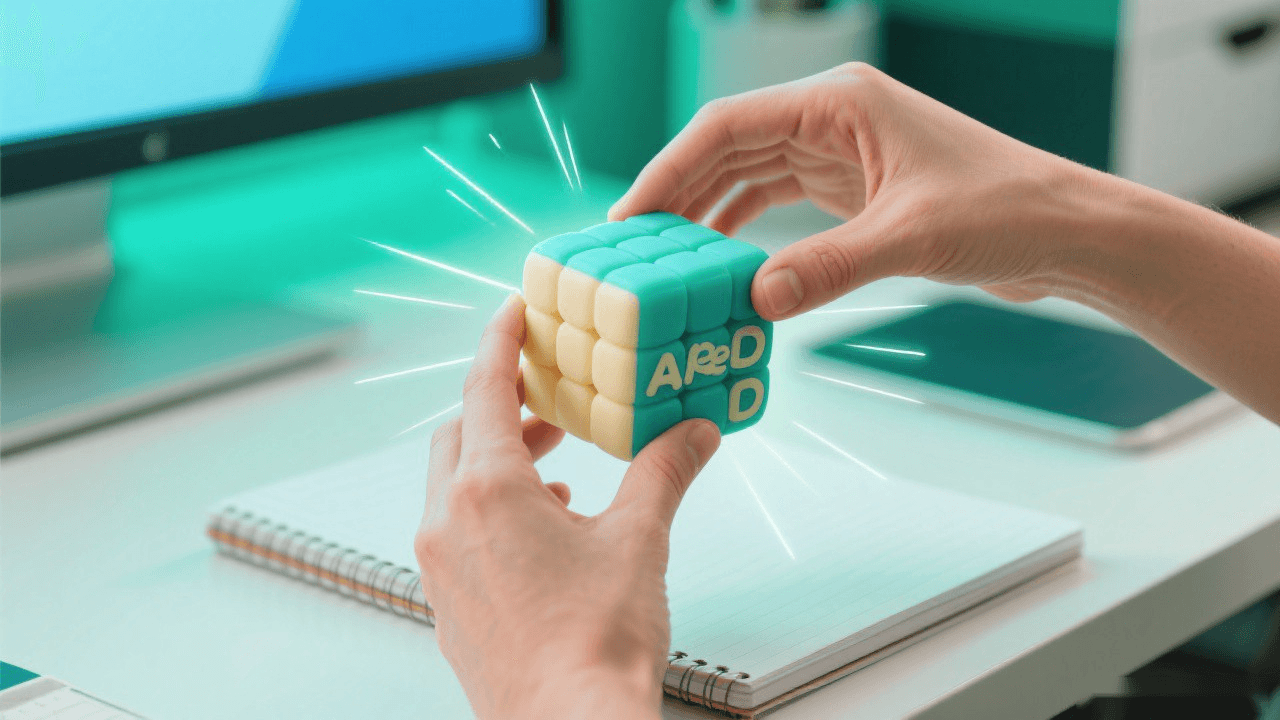
The Nice Cube is generally recommended for ADHD because its compact size and shape make it easy to use discreetly. The consistent resistance provides reliable sensory feedback.
How is NeeDoh different from a fidget spinner for ADHD?
Unlike fidget spinners, which require visual attention and make noise, NeeDoh can be used without looking at it and operates silently. This makes it better for maintaining focus on primary tasks like listening to a lecture or reading.